
Best DIY Ceramic Coating in Australia
Australian cars face strong sun, UV exposure, road grime, dust and, in coastal areas, salty air. If you want to protect your vehicle’s paint at home, a DIY ceramic coating can add gloss, water repellency and a protective layer when applied correctly.
This guide explains what to look for in the best DIY ceramic coating in Australia, how to prepare your paint, how to apply a coating safely, and how to maintain the finish. The right results depend on the product, paint preparation and care after application.
Whether you’re choosing your first do-it-yourself ceramic coating kit or want to know how to apply ceramic coating correctly, this guide covers preparation, application and curing.
What Is DIY Ceramic Coating?
DIY ceramic coating is a liquid paint-protection product designed to bond with a properly prepared vehicle surface. Once applied and cured according to the manufacturer’s instructions, it creates a protective layer that improves gloss and water repellency and helps make routine cleaning easier.
Unlike wax, which generally needs more frequent reapplication, a ceramic coating may provide longer-lasting protection. Actual durability depends on the specific product, surface preparation, application conditions, driving environment and maintenance routine. Ceramic coatings do not make car paint scratch-proof or prevent stone chips.
Why More Australians Coat Their Own Cars
There are several factors that influence the choice of Australian drivers to go for DIY ceramic coatings:
- Extreme UV Protection
Vehicles in Australia can experience strong sunlight, high UV exposure, dust and road grime. A suitable ceramic coating helps protect properly prepared paint from everyday environmental exposure and supports a glossy finish. Regular washing and safe maintenance are still essential.
- Cost-Effective Solution
Professional ceramic coating is usually a significant expense (see our ceramic coating cost guide for Australia). A DIY coating costs far less, although results depend on your preparation and application.
- Simple At-Home Application
Modern DIY ceramic coatings are created to be user-friendly and cater to beginner level.
- Long-Lasting Shine
A properly applied coating adds gloss and helps the finish stay cleaner for longer than wax alone.
Key Benefits of DIY Ceramic Coating
A well-applied DIY ceramic coating offers these advantages:
- Helps protect properly prepared paint from everyday environmental exposure
- Enhances gloss and surface appearance
- Improves water beading and water repellency
- Makes routine washing and maintenance easier
- Provides a protective layer against some everyday contaminants
- Offers an at-home alternative to professional application, depending on the product
How a Ceramic Coating Bonds to Paint
Ceramic coatings use protective ingredients such as silicon dioxide (SiO₂), depending on the formulation. When applied to a clean, properly prepared surface, the product forms a bonded protective layer that improves gloss and water repellency.
Unlike many traditional waxes, ceramic coatings are designed to provide longer-lasting protection. However, performance varies by formula and application method, so always follow the manufacturer’s product instructions.
What to Look for in a DIY Ceramic Coating
Before buying a product, make sure it passes the following tests:
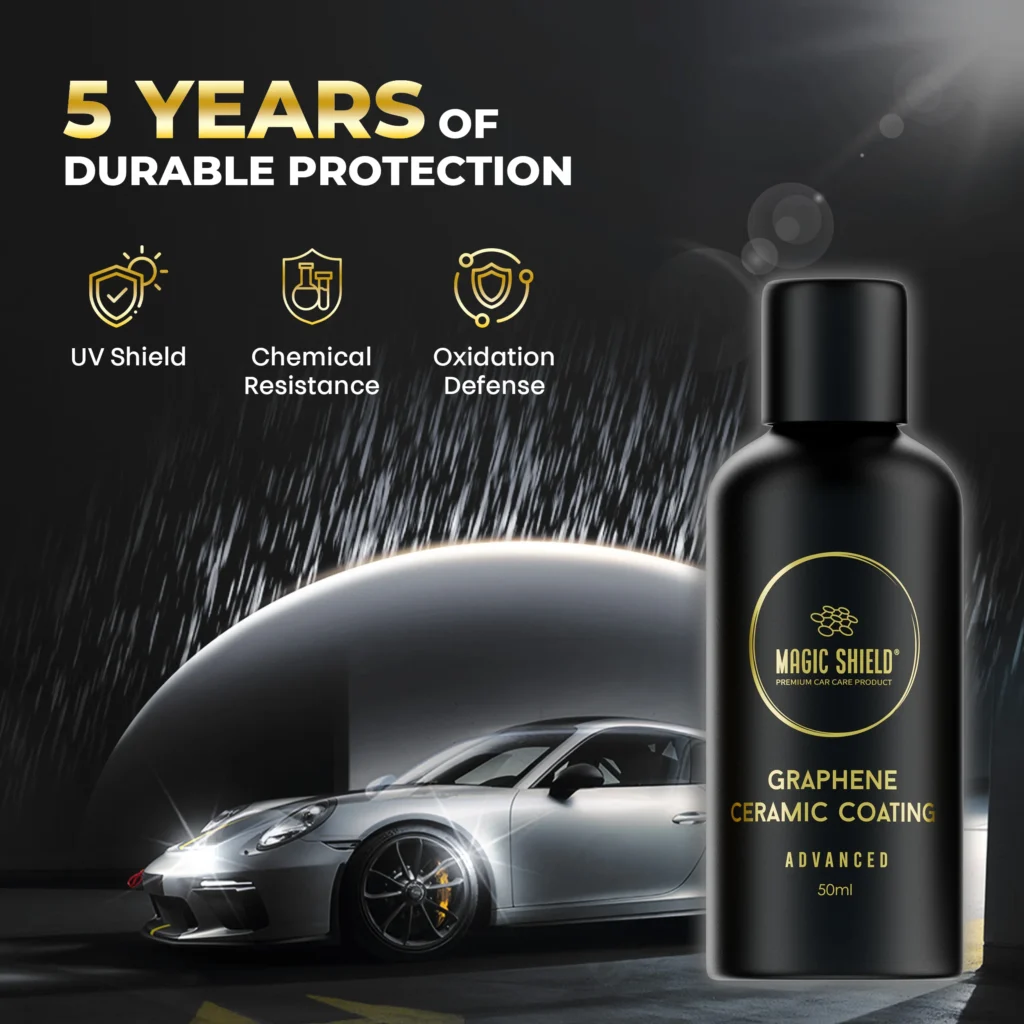
- UV Resistance
Most important for Australian climate.
- Durability
Durability depends on the product, preparation and maintenance; check the manufacturer’s stated lifespan.
- Hydrophobic Performance
Water beading and self-cleaning features are vital.
- Ease of Application
Look for clear instructions and a product suited to beginners.
- Chemical Resistance
Protection against acidic pollutants such as birds’ urine and rainwater.
- What’s in the Kit
A complete ceramic coating kit should include an applicator and levelling cloths; if it doesn’t, buy them before you start.
you can also explore the Graphene Ceramic Coating for Cars available at MagicAutoCare.shop for the US market. Check the product details and application instructions to find the option that best suits your needs.
DIY Ceramic Coating vs Wax and Sealants
| Feature | DIY ceramic coating | Wax | Paint sealant |
|---|---|---|---|
| Main purpose | Longer-term paint protection | Gloss and short-term protection | Synthetic paint protection |
| Durability | Depends on the product and maintenance | Depends on the formula | Depends on the formula |
| Water repellency | Usually strong when properly applied | Varies by product | Varies by product |
| Application | Needs careful preparation and application | Generally simpler | Varies by product |
| Maintenance | Regular safe washing required | Periodic reapplication | Periodic reapplication |
How to Ceramic Coat a Car at Home (Step by Step)
Here’s how to apply ceramic coating at home. Set aside enough time to wash, decontaminate and prepare the paint, and always follow the product’s own curing time.
Step 1: Wash the Vehicle
Wash the car thoroughly with a suitable pH-neutral car shampoo to remove loose dirt and road grime. Rinse well and dry the vehicle before further preparation.
Step 2: Remove Embedded Contamination
Inspect the paint after washing. If the surface still feels rough, use an appropriate iron remover or clay bar treatment according to the product instructions. Do not use a clay bar on a dry surface.
Step 3: Correct Paint Defects if Needed
Inspect the paint under good lighting. If swirl marks or oxidation are visible, consider suitable paint correction before applying the coating. A coating enhances the prepared surface; it does not repair deep scratches.
Step 4: Prepare the Paint
Use a compatible panel-preparation product if required by the coating manufacturer. The surface should be clean, dry and free from residues that could interfere with bonding.
Step 5: Apply the Coating
Work in shade or a suitable indoor space on cool paint. Apply a small amount to one section at a time, following the product’s application instructions.
Step 6: Level and Buff
Follow the specified flash time and use a clean microfiber towel to level or remove residue as directed. Check the surface under good lighting to avoid leaving high spots.
Step 7: Allow the Coating to Cure
Follow the exact curing and moisture-avoidance instructions supplied with your chosen coating. Avoid washing the vehicle until the manufacturer says it is safe to do so.
Following these steps carefully gives your coating the best chance to bond and perform as intended.
How Long Does DIY Ceramic Coating Last?
How long a DIY ceramic coating lasts depends on:
- Driving conditions
- Maintaining routine
- Heavy weather exposure
- Application quality
Durability depends on the product, preparation and maintenance; check the manufacturer’s stated lifespan.
How to Maintain a Ceramic-Coated Car
In order to protract the life of your coating:
- Wash the vehicle with a suitable pH-neutral shampoo.
- Use a clean wash mitt and gentle washing technique.
- Dry the paint with a clean, soft microfiber towel.
- Avoid abrasive automatic car-wash brushes where possible.
- Remove bird droppings and tree sap promptly using suitable cleaning methods.
Good care helps your coating stay effective for longer.
Is DIY Ceramic Coating Worth It?
For many car owners, yes. A DIY ceramic coating can give longer-lasting gloss and water repellency than wax, at a lower cost than professional application. It suits owners who are willing to prepare the paint carefully and follow the product instructions.
Magic Shield DIY Ceramic Coating Options
Our range includes the Magic Shield Graphene Ceramic Coating for longer-term protection, the Graphene Ceramic Spray Coating for a quicker spray-and-wipe option, and the Ceramic Coating PRO 10H kit. If you prefer a spray, see our guide to applying DIY ceramic coating spray in Australia.
Ceramic Coating for Different Vehicles
Cars
Ideal for daily drivers and luxury vehicles.
SUVs & 4WDs
Protects against dust, mud, and off-road conditions.
Motorcycles
Enhances shine and protects exposed parts.
Commercial Vehicles
Reduces maintenance costs and keeps vehicles looking new.
Because coated paint is easier to clean, you may need less product and effort for each wash.
FAQs:
1. What is the best DIY ceramic coating in Australia for beginners?
The best option for beginners is one that is easy to apply, comes with clear instructions, and provides good UV protection.
2. Can DIY ceramic coating damage car paint?
Applied correctly to clean, prepared paint, a ceramic coating should not harm the paint. Problems usually come from poor preparation, applying in direct sun or leaving high spots, so follow the instructions carefully.
3. How frequently should I apply DIY ceramic coating again?
Durability depends on the product, preparation and maintenance; check the manufacturer’s stated lifespan.
4. Is DIY ceramic coating suitable for beginners?
Some DIY ceramic coatings are designed for at-home use. Beginners should choose a product with clear instructions and follow the preparation, application and curing steps carefully.
5. Can I do the ceramic coating application by myself at home?
Yes. DIY ceramic coatings are made for at-home use; professional-grade coatings may need more experience, so choose a product that matches your skill level.
6. How should I wash a ceramic-coated car?
Use a suitable pH-neutral shampoo, a clean wash mitt and a soft drying towel. Avoid abrasive brushes and follow the coating manufacturer’s maintenance guidance.
7. How much does DIY ceramic coating cost compared with a professional coating?
A DIY kit usually costs far less than professional application, but you supply the time and preparation. See our ceramic coating cost guide for a full comparison.
Also Read:
Car Detailing Tips for Beginners – A Complete Step-by-Step Guide